
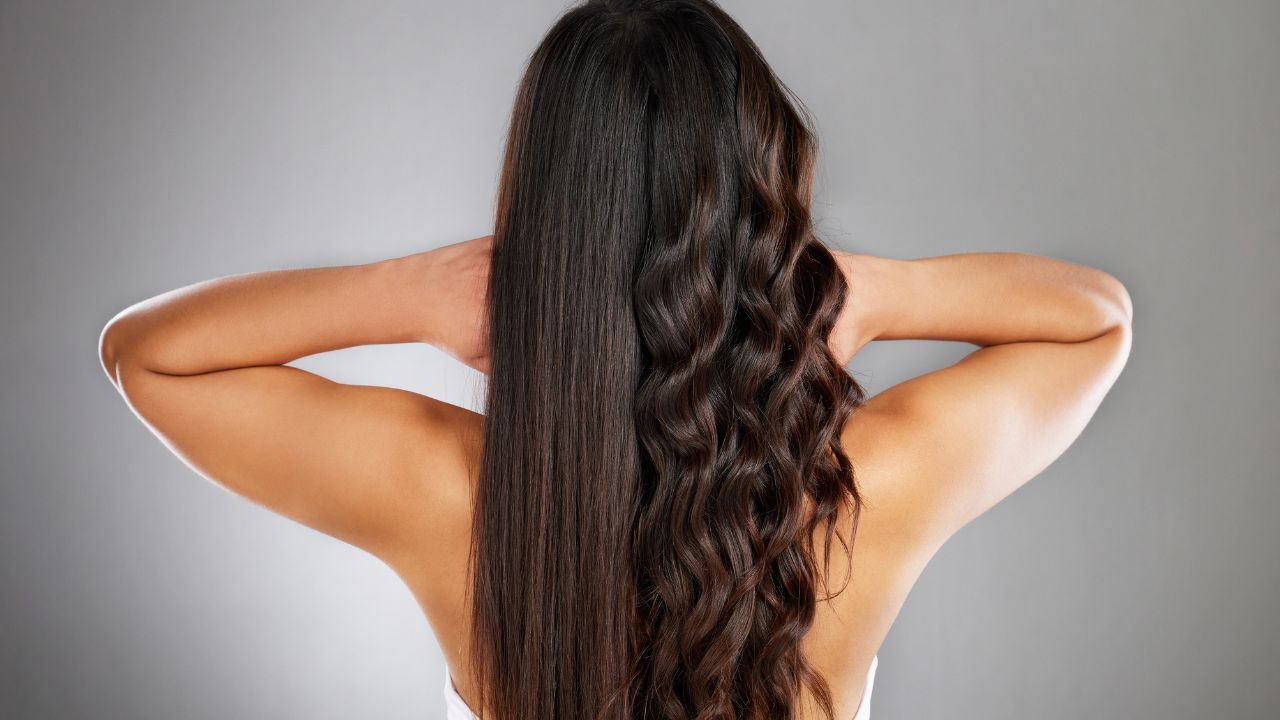
How long does hair keratin treatment last? A hair keratin treatment typically lasts between 2-6 months, depending on the brand of keratin used, application method, and how well you care for your hair; with proper maintenance, including infrequent washing, it can last up to 6 months.
Hair care routine: Washing your hair less frequently ( 2 – 3 times a week) can significantly extend the treatment’s lifespan of your hair.
Quality of the Treatment: High-quality salon treatments using premium products and proper techniques generally last longer.
Hair type: Thick, coarse, and curly hair are the hair types. These hair types may experience shorter-lasting effects because the hair structure can naturally resist the treatment over time. Hair texture can impact how long the treatment lasts, with coarser hair potentially holding the keratin longer.
Frequency of Keratin Treatments: If treatments are done consistently every 4 to 6 months, the effects can become more long-lasting over time, as the keratin builds up with each session.
Sulfate-free products: Using shampoos and conditioners without sulfates helps prevent the keratin from washing out too quickly.
Environmental factors: Exposure to chlorine and salt water can shorten the treatment duration.
Keratin Treatment vs. Other Hair-Smoothing Treatments
When you decide between a keratin treatment and hair smoothing treatments, it’s important to understand the differences in terms of longevity, results, hair health, and purpose.
What is a keratin treatment?
Keratin is best for reducing frizz, softening curls, and making hair more manageable. Keratin protein is infused into the hair and sealed using heat, creating a temporary protective coating that smoothes the cuticle of the hair. The purpose of keratin is to smooth hair, reduce frizz, and add shine while retaining natural volume. The key benefit of keratin is to reduce daily styling time by making hair easier to straighten and style. Its longevity is around 3 to 4 months with proper aftercare.
Brazilian Blowout: Brazilian blowout is a type of keratin treatment that smooths frizz without completely removing waves and curls from hair. It is best for those people who want frizz-free hair without losing volume or curls. It is a very quick process with no downtime; the hair can be immediately washed after treatment.
Japanese Hair Straightening: Japanese hair straightening permanently straightens hair by breaking and restructuring bonds within the hair shaft. It is best for those people who have very curly hair and who want straight hair. Japanese hair straightening is a chemical solution that breaks the hair’s natural bonds, and heat is applied to reshape it straight.
Relaxers (Chemical Hair Straightening): Relaxer straightens curly or kinky hair by permanently altering its structure. Chemical relaxers break down bonds in curly or wavy hair, leaving it straight. It is best for coarse, very curly, or textured hair. It can weaken the hair, leading to breakage if not maintained properly.
Hair Botox: Hair Botox deeply smooths, conditions, and restores damaged hair without altering its natural curl or wave. Hair botox is a blend of vitamins, collagen repairs, and proteins that reduce frizz and improve shine. It is best for damaged, frizzy, or over-processed hair that needs hydration and smoothness. It is non-chemical and suitable for most hair types.
Nano-Smoothing Treatments: Nano-smoothing treatments Smooths hair and repair damage using nanotechnology, with fewer chemicals. Nanoparticles penetrate deeper into the hair, making it smoother and healthier. It reduces frizz while improving overall hair health without harsh chemicals.
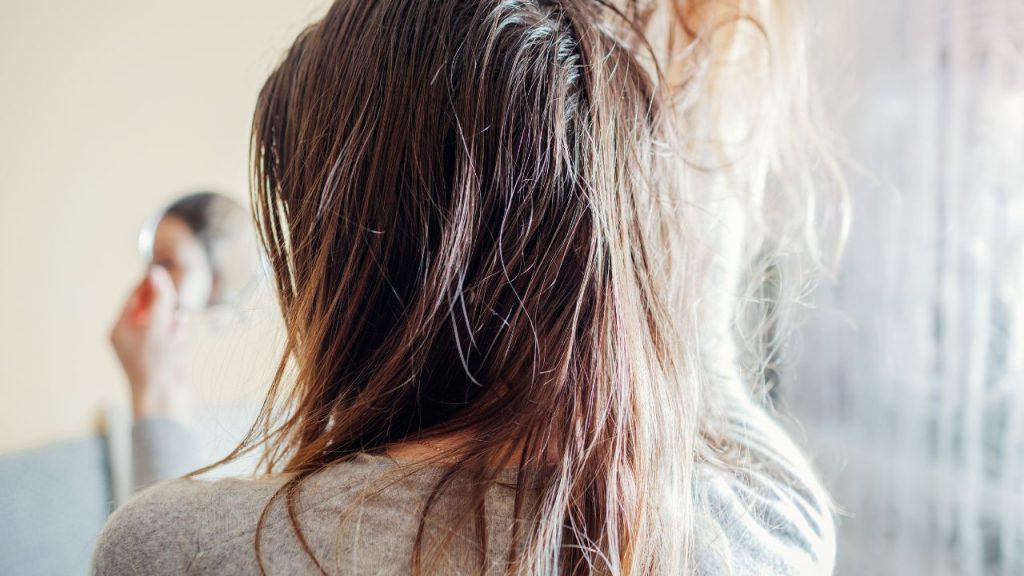
How to Maintain Your Keratin Treatment
To maintain a keratin treatment, you should primarily avoid using sulfate shampoos, limit heat styling, wash your hair less frequently, use lukewarm water, avoid tight hairstyles, and opt for sulfate-free products specifically designed for keratin-treated hair. Treat your hair gently to prevent stripping away the keratin from your hair strands.
Use Sulfate-Free Shampoo and Conditioner: Must use sulfate-free shampoo and conditioner because sulfates in shampoos strip keratin from your hair and reduce the treatments. Sulfate-free, sodium chloride-free products specifically designed for keratin-treated hair. Avoid clarifying shampoos as they are designed to remove product buildup and can strip keratin.
Limit Hair Washing: Overwashing can remove the keratin coating. Wash your hair no more than 2-3 times a week. Use a dry shampoo in between washes to keep your scalp fresh.
Avoid Heat Styling (Excessively): Avoid heating styling while flat ironing can reactivate keratin; too much heat can weaken the hair. Use a heat protective spray when you use hot tools, and keep the heat setting at a moderate level.
Protect Hair from Water Damage: Chlorine from pools and salt from seawater can break down keratin. Wear a swim cap or apply a leave-in conditioner as a protective layer before swimming.
Avoid Tight Hairstyles: Tying your hair tightly in ponytails, buns, or braids can leave dents and disrupt the smoothness. Use soft scrunchies to keep your hair down, especially for the first 2 weeks after treatment.
Protect Your Hair While Sleeping: Use a silk and satin pillowcase, which can reduce friction, preventing frizz and any breakage. Tie your hair in a loose braid or low ponytail if you prefer keeping it secure.
Limit Exposure to Humidity and Sweat: Sweat and humidity can reduce the smoothness and promote frizz. Must use a sweatband during workout time and try to stay indoors on extremely humid days.
Avoid Harsh Chemicals: Avoid coloring or bleaching your hair for at least 2 weeks after your keratin treatment. Stay away from products with alcohol or high chemical content, as they can strip keratin.
Schedule Touch-Ups: Depending on how quickly your hair grows and how well you care for your treatment, touch-ups every 4-6 months can help maintain consistent results.
Don’t Wash Hair Immediately After Treatment: After treatment, avoid washing your hair or getting it wet for the first 3 to 4 days. After the treatment to allow the keratin to fully set.
How to Wash Your Hair After a Keratin Treatment
Washing your hair after a keratin treatment requires special care to maintain the smoothness and longevity of the treatment. Here is a guideline.
Wait Before Washing Your Hair: The keratin treatment needs time to set into your hair. Avoid washing your hair 3 to 4 times after the treatment. Also, avoid getting your hair wet from sweat, rain, or humidity.
Use Sulfate-Free and Sodium Chloride-Free Shampoo: Sulfate and salt can strip the keratin from your hair, reducing its effectiveness. Search shampoos and conditioners labeled sulfate-free and keratin-safe.
Use Lukewarm or Cool Water: Hot water can open the hair cuticle and break down the keratin, while cooler water helps seal the cuticle and maintain smoothness. Rinse with water thoroughly to avoid product buildup.
Gently Massage Your Scalp: Use your fingertips to massage the shampoo into your scalp gently. Avoid aggressive scrubbing or tangling your hair.
Condition Properly: Conditioning helps keep your hair hydrated and smooth after the treatment.
Pat Your Hair Dry: Avoid rubbing your hair with a regular towel, as it can cause frizz and damage. Heat helps maintain the keratin, but use a low or medium setting to avoid overheating.
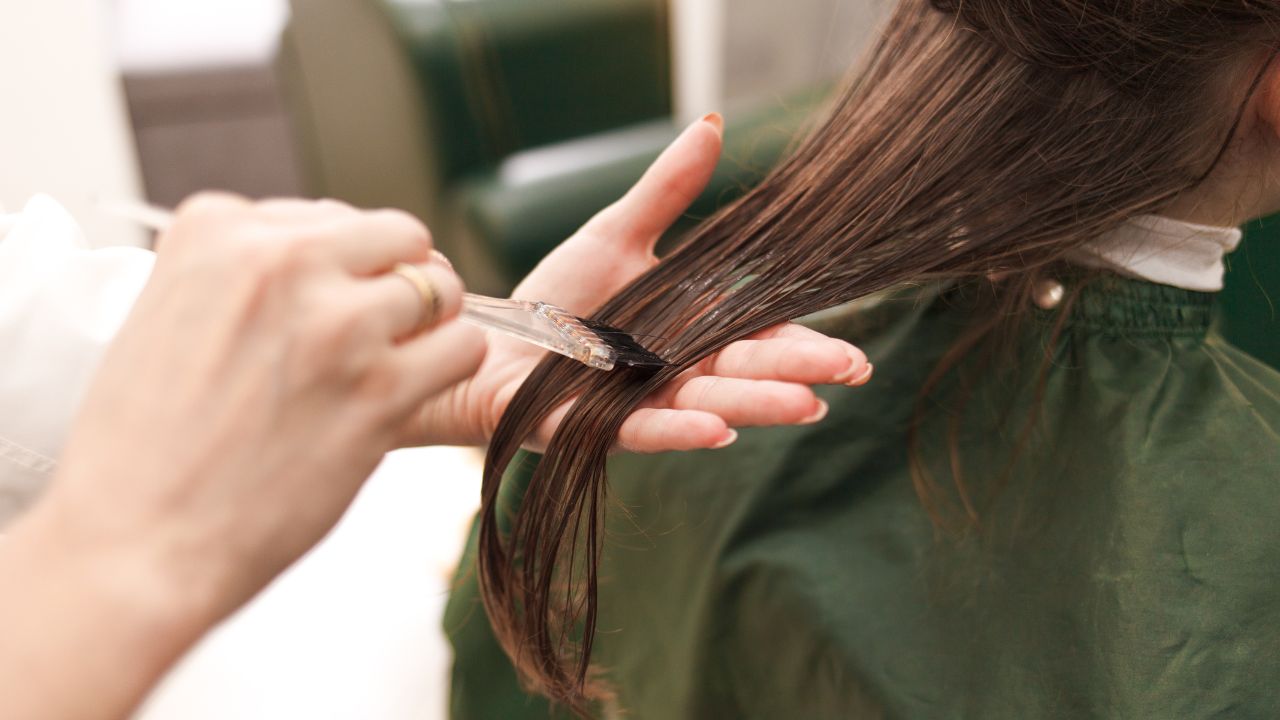
Side Effects of Keratin Treatments
Washing your hair after a keratin treatment requires care to maintain the treatment’s effects and keep your hair looking smooth and shiny. Keratin treatments can have side effects, including allergic reactions, hair damage, and respiratory issues.
Formaldehyde Exposure: Inhaling formaldehyde, which is found in some keratin treatments, can cause respiratory issues. Symptoms include headaches, dizziness, eye issues, sore throat, cough, wheezing, chest pain, nausea, and vomiting. It’s important to ensure proper ventilation during the treatment.
Hair Damage: Keratin treatments can damage hair over time. The heat used in the treatment can cause breakage and split ends. The chemicals used in the treatment can also damage hair.
Scalp Sensitivity: The chemicals and heat involved can irritate your scalp. It can cause redness, burning, itching, flaking, and dryness post-treatment.
Allergic Reactions: Some people may have an allergic reaction to the chemicals used in keratin treatments. Symptoms include rashes, hives, and swelling.
Short-Term Discomfort: The strong odor of the treatment can cause headaches or nausea during the process. Some people may feel discomfort from prolonged exposure to heat tools.
Results May Vary: Keratin treatments don’t work the same for everyone. Fine, thin-haired people may feel loose volume. Thick or coarse hair might not achieve the desired smoothness
For more details and knowledge, you must visit our website.
FAQ’S
Is Keratin Treatment Suitable for All Hair Types?
Keratin treatments can be suitable for many hair types, including curly, wavy, and frizzy hair.
Keratin Treatment for Men: Is It Worth It?
A keratin treatment can be worth it for men, especially if they have frizzy, curly, or coarse hair.
Is keratin treatment good for men’s hair?
Yes, keratin treatments can be good for men’s hair, especially if it’s curly, frizzy, or damaged.
Can I use curly hair shampoo on straight hair?
While you can technically use a curly hair shampoo on straight hair, it’s generally not recommended as it might weigh your hair down and leave it looking greasy due to the heavier moisturizing formula designed to hydrate curly hair.
How to use hair gel?
To use hair gel, start with clean, damp hair, apply a small amount of gel to your palms, then work it evenly through your hair while styling it to your desired shape.