
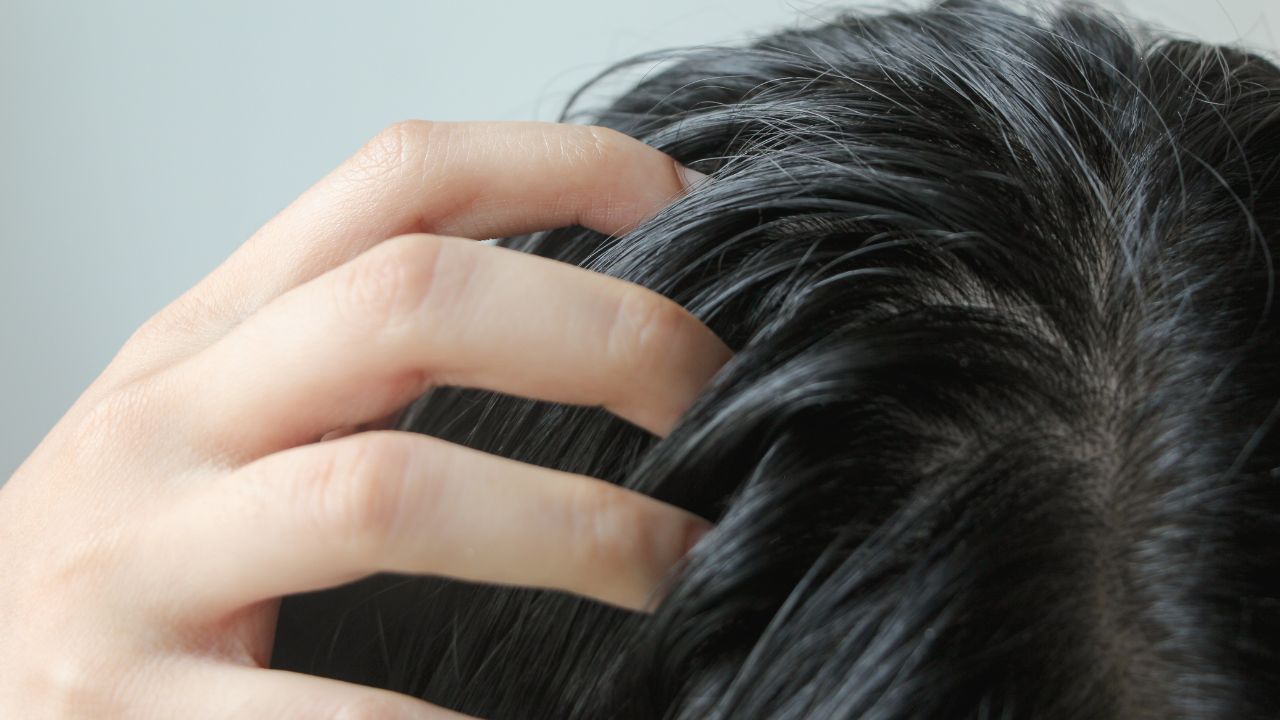
Why is my hair greasy after washing it? If your hair feels greasy after washing it, the most likely reason is that you might be over washing your hair, which causes your scalp to produce more oil to compensate for the natural oils stripped away, leading to cycle of greasiness; other factors include using the wrong hair products, not rinsing thoroughly, applying conditioner to the scalp, or having an underlying hormonal imbalance that affects oil production.
Overwashing: Washing your hair too frequently can stimulate your scalp to produce more oil than necessary.
Overproduction of sebum: One of the most common issues of greasy hair after washing is the overproduction of sebum. Sebum is the natural oil produced by your scalp’s sebaceous glands. It plays an important role in keeping your scalp and hair moisturized and protected. When your scalp produces too much sebum, it can make your hair look and feel greasy, even when it’s freshly washed.
Using the wrong shampoo: Using the wrong shampoo is another common cause of greasy hair after washing your hair. Harsh shampoos contain strong detergents that can strip natural oils from the scalp, causing it to produce more oil to compensate for the loss.
Not rinsing thoroughly: Leaving shampoo or conditioner residue on your hair can make it feel more greasy.
Hot water: Using excessively hot water when washing can strip away natural oils, prompting your scalp to produce more.
Hormonal changes: Hormonal changes can also impact oil production in the scalp and skin. Changes in hormone levels due to puberty, menstruation, pregnancy, or menopause can affect the activity of your sebaceous glands, and it can increase sebum production.
Choose the right styling products: Choosing the right styling products can make a world of difference in preventing greasy hair. Avoid heavy styling products like gels, waxes, which can lead to oil and buildup.
Common Mistakes That Cause Greasy Hair After Washing
Here are common mistakes that could be causing your hair to feel greasy even after washing.
Skipping Clarifying Shampoo: If you don’t occasionally use a clarifying shampoo, product buildup can accumulate and make your hair look oily.
Sleeping on a Dirty Pillowcase: Oil from your skin transfers to your pillowcase and back to your hair, leaving it greasy even after a fresh hair wash.
Dirty hair brushes: Start by removing any trapped strands, then use shampoo and warm water to wash your brushes. Rinse, place brush bristles side down on a clean towel and leave to dry.
Not combing your hair before oiling: Combining your hair improves blood circulation and warms up the scalp a little. This helps your hair follicles to be a bit more receptive due to the blood circulation; hence, it becomes a prime time to oil your hair.
Your fried food addiction: Diet can play a big part in oily hair. Keeping your hair hydrated by drinking plenty of water. Intake of vitamin C can help renew the cells and keep hair balanced and healthy. So, put down that pizza and tuck into some sweet potato
Using dry shampoo daily: A great dry shampoo can work wonders on second-day hair, but that doesn’t mean you should use it for five days straight. You can use dry shampoo, but make sure that you are regularly washing it so that it doesn’t build up on the scalp.
Greasy Hair Remedies You Can Try at Home
You can try these remedies like: using lemon juice rinse, applying aloevera gel to your scalp, utilizing tea tree oil mixed with your shampoo, applying a baking soda paste, using apple cider vinegar as a rinse, utilizing witch hazel, or applying a small amount of coconut oil to balance oil production on your scalp; remember to always consult a dermatologist before trying new treatments on your hair.
Home remedies for greasy hair:
Here are some easy remedies for greasy hair.
Baking soda: Baking soda absorbs excess oil; mix a small amount with water to create a paste. Massage it in and rinse after 5 minutes. It will absorb oil and act as a natural clarifier.
Lemon juice: Lemon juice acts as an astringent to control oil production on the scalp. Simply dilute lemon juice with water and apply to hair. Let it sit for 10 minutes before rinsing. It will reduce oil and add shine.
Tea tree oil: Tea tree oil has antimicrobial properties to combat oily hair caused by scalp conditions like dandruff. Add a few drops of tea tree oil to your shampoo; it will help to control excess oil.
Apple cider vinegar: It helps remove excess oil and balance the scalp’s PH level. Make your scalp oil-free and add shine or smoothness.
Witch hazel: Can be used to eliminate oil. Dab a small amount mixed with water onto the scalp before shampooing.
Coconut oil: Applying a small amount of coconut oil can help regulate oil production.
Aloe vera gel: Aloe vera gel soothes and balances oil production on the scalp and is applied directly from the aloe vera leaf.
For more details and knowledge about the best barbershop in Edmonton, you must visit our website.
FAQ’S:
Is oily hair healthy?
Having excessively oily hair is not considered healthy.
How many times should I wash my hair in a week?
Washing 2-3 times a week is often sufficient to keep it clean without stripping natural oils.
Should I wash my hair every day if it’s greasy?If your hair is very greasy, washing it everyday might be necessary, but it’s generally not recommended.
Can I wash my hair with just water?
Yes, you can technically wash your hair with just water. But it can’t remove dirt and oil from the scalp properly.
Does rinsing hair get rid of grease?
Rinsing hair with water can remove some dirt and debris, but generally does not remove grease on its own. You need to use proper shampoo.
Is it okay to wash hair with conditioner only?
Yes, it can be ok to wash your hair with conditioner only, especially if you have dry hair.