
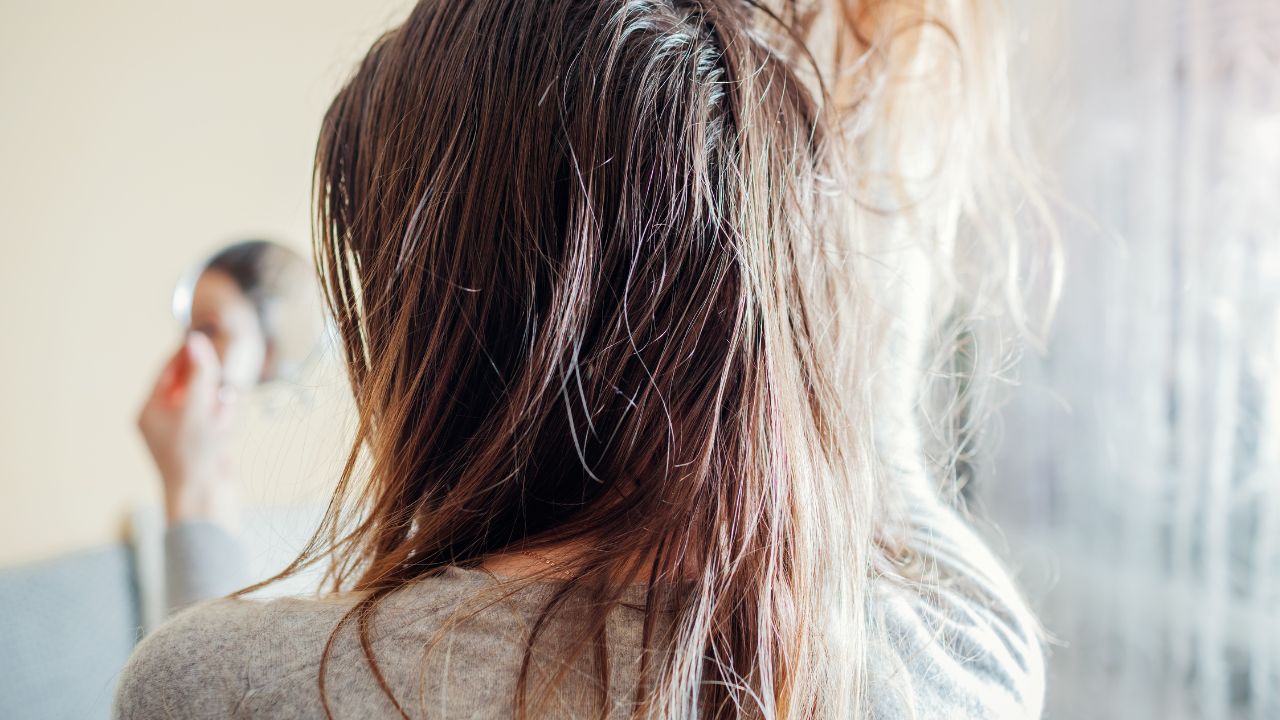
What are the best types of hair extensions for DIY use? The best options are those that are simple to install, easy to remove, and low maintenance—making them ideal for anyone who wants to enhance their hair at home without the help of a stylist. Here are the top choices:
Halo extensions:
- A single weft attached to an invisible wire.
- Sits on your head like a headband.
- Super quick to apply and remove.
- No damage to natural hair.
Clip-In extensions:
- Best for beginners.
- Simply clip them into your natural hair.
- Great for temporary styles or events.
- No glue or heat required.
Ponytail extensions:
- Wrap-around extensions specifically for ponytails.
- Great for sleek updos or added volume.
- Very easy to attach and style.
Micro Ring extensions:
- Can be done at home with the right tools.
- More advanced requires patience and precision.
- Doesn’t use heat or glue, but time-consuming to apply.
Tape In extensions:
- More semi-permanent than clip-ins.
- Can last 6 to 8 weeks with proper care.
- You will need a steady hand and sectioning skills.
- Not recommended for first timers unless you are comfortable with the process.
Sew In hair extensions:
- Sew In hair extensions also known as weave extensions.
- Typically done with needle and weaving thread.
- Secure and stable will not slip out easily.
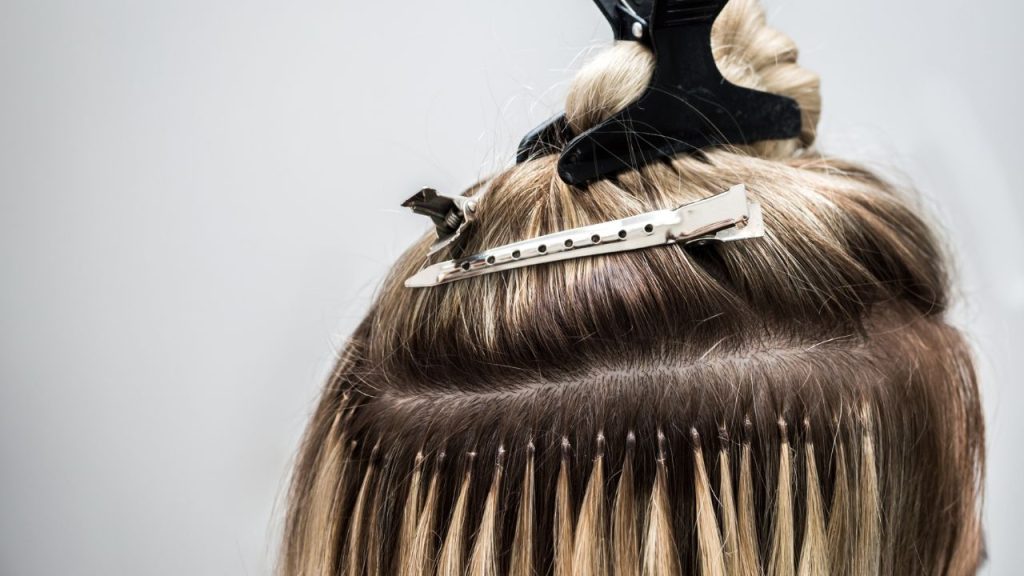
What tools do I need for applying hair extensions at home?
The tools you need depend on the type of hair extensions you are applying. However, here’s a general list of tools commonly used for DIY hair extension applications.
Basic Tools for hair extensions:
- Rat-tail comb:
A rat tail comb is a specialized hairstyling tool with a fine-toothed comb on one end and a long, tapered handle or tail on the other, resembling a rat’s tail.
- Sectioning clips or hair clamps:
Sectioning clips, also called hair clips, are essential tools for hairdressers and stylists to hold hair in place during cutting, styling and applying or removing hair extensions.
- Two mirrors:
Using Two mirrors when styling or cutting hair allows you to see a 360-degree view of your head, including the back.
- Brush:
A hairbrush is a brush with rigid or light and soft spokes used in hair care for smoothing, styling, and detangling human hair.
- Hair scissor:
Hair scissors also known as cutting shears, barber shears or hairdressing shears are specifically designed for cutting hair.
- Heat protectant spray:
A heat protectant spray is a specialized hair product designed to shield hair from damage caused by heat styling tools like flat irons, curling wands and blow dryers.
- Claw pliers:
Claw pliers or claw clips refer to hair accessories that are essentially clips with a claw-like shape or teeth that grip the hair.
- Replacement Tape:
Placement tape refers to the adhesive tape used to attach tape in hair extensions to a client’s natural hair.
- Wooden loop tool:
A wooden loop tool is used in hair for installing and securing hair extensions, particularly micro bead or micro link extensions.
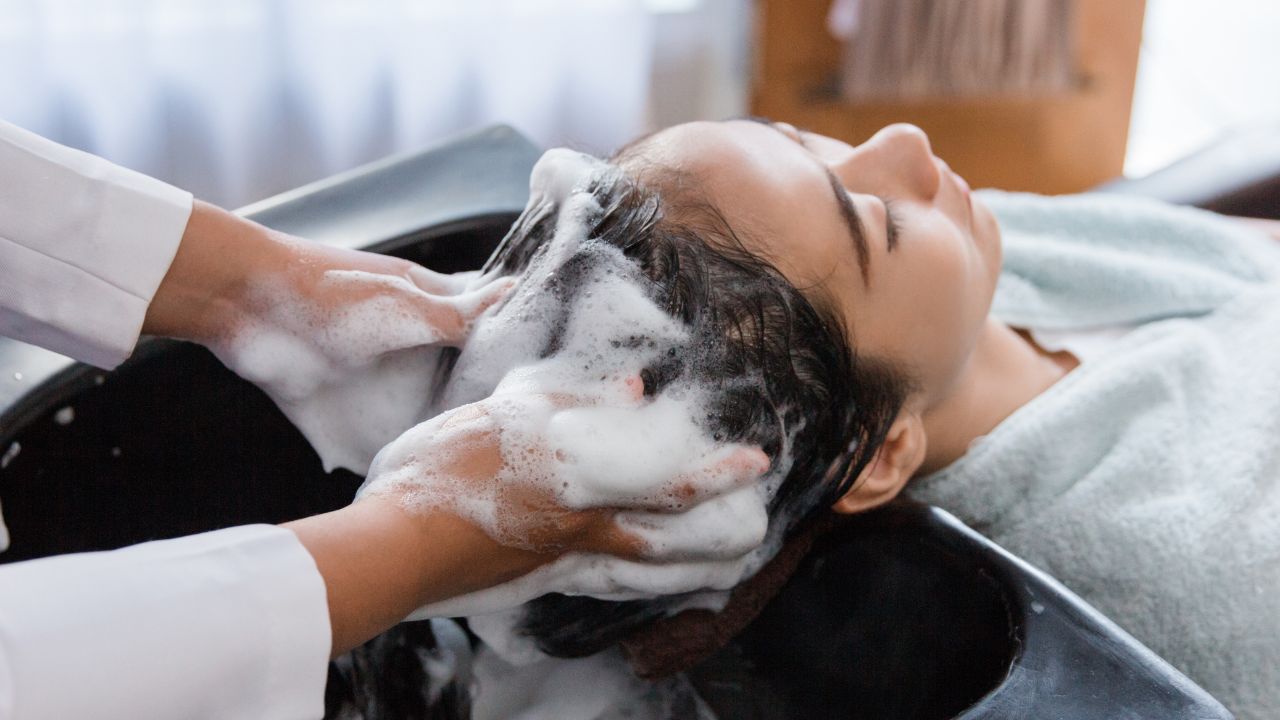
How do I wash my hair with DIY extensions?
To wash your hair with DIY extensions, it’s important to be gentle and follow a careful, step-by-step method that not only ensures a thorough cleanse but also helps maintain the health, integrity, and longevity of both your natural hair and the extensions themselves.
Ask ChatGPT
Detailed steps:
Detangle:
Before getting your hair wet, thoroughly detangle your extensions, especially if they are wefts or clip in extensions, using a wide-tooth comb or a brush designed for extensions, starting from the ends and working your way up.
Rinse and shampoo:
Rinse your hair and extensions with lukewarm water, ensuring the extensions are fully saturated. Apply a small amount of sulfate-free shampoo to your hands and gently massage it into
Conditioner and mask:
Apply conditioner to the mid-lengths and ends of the extensions, focusing on the wefts if you have them. Consider applying a hair mask, like a deep conditioner for extra moisture and nourishment.
Rinse and dry:
Rinse your hair and extensions thoroughly, removing all shampoo and conditioner residue. Let the extensions air dry completely, avoiding direct heat.
Aftercare:
You can detangle the extensions again once they are dry. If using clips in extensions, make sure to store them properly when not in use to prevent tangles and damage.
How long do DIY hair extensions last?
DIY hair extensions can last anywhere from a few weeks to several months. Depending on the type and how well you care for them. Factors like the quality of the hair, how much you use them, and proper maintenance all play a role in their longevity. Some extensions are designed to be temporary, while others are semi-permanent. Here’s a quick overview of how long the different kinds of hair extension last.
Types of DIY extensions and lifespan:
Fusion/pre-bonded: These can last about 3 to 4 months. The bonding material, often a heat-applied adhesive, can start to weaken due to exposure to water. Natural hair growth also means the point of attachment moves, requiring read adjustment to maintain a natural look.
Clip-in Extensions: These can last about 3 to 6 months. Clips in extensions are removable, so their lifespan depends on the quality of the hair and the durability of the clips.
Tape in Extensions: It can last about 4 to 8 weeks, these use adhesive weft tape which loses stickiness over a period of time especially exposure with water and oil.
Sew-in Extension: It can last about 6 to 8 weeks, sew-in extension involves braiding natural hair into cornrows and sewing extension onto these braids. The lifespan is limited because natural hair growth typically about 0.5 to 1 inch per month.
Micro links: It can last about 3 to 4 months, micro links also known as micro breaded and micro loop. These use small beads and small rings to attach extensions.
Natural Wigs: It can last about 10-12 months, made from natural human hair. Natural wigs can be treated like natural hair, with proper care keeping them away from dust and avoiding brushing when wet.
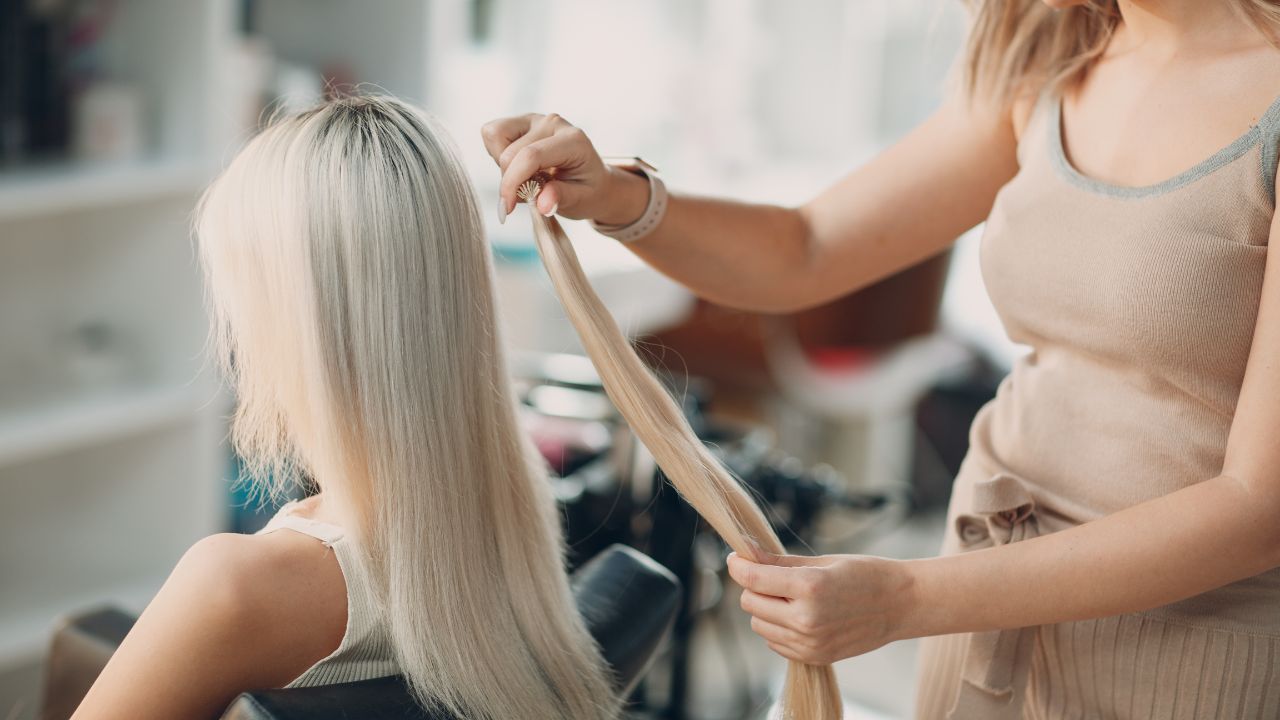
How can I prevent damage from DIY hair extensions?
To prevent damage from DIY hair extensions, prioritize proper maintenance, use extension friendly products and avoid excessive heat styling. Choose high quality extensions and follow professional application and removal techniques.
Detailed Prevention Tips:
Proper maintenance:
- Regular Maintenance: Gently brush extensions with a loop brush or wide tooth comb to prevent tangles and knots.
- Gentle Washing: Use lukewarm water, sulphate free shampoos, and silicone free conditioners. Avoid harsh chemicals and hot water.
- Thorough Drying: Allow extensions to air dry whenever possible or use a blow dryer on low heat with a heat protectant spray.
- Protect While Sleeping: Use a satin or silk pillowcase or bonnet to reduce friction and prevent tangles.
- Separate Bonds Daily: Separate extensions bonds daily to prevent matting and ensure they are not overlapping.
Extension friendly products:
- Avoid harsh chemicals:
Minimize the use of chemicals and heat styling tools.
- Sulfate free shampoo and conditioner:
Sulphate free products prevent moisture loss and tangling.
- Moisturizing products:
Use leave in conditioners and oils to hydrate the hair and prevent dryness.
Professional Application and Removal:
- Choose high Quality Extensions: Invest in quality extensions to ensure durability and reduce shedding.
- Seek Professional Advice: Consult with a professional stylist for installation and removal, especially for more complex extension types like glue in or sew in extensions.
FNQ’S:
- Can I reuse hair extensions after removing them?
Yes, you can reuse hair extensions but it depends on the type of hair extensions and well you cared for them.
- Are tape-in extensions good for DIY use?
Yes, tape in hair extensions can be a good option for DIY use. Especially for those with fine to thin hair. They are relatively easy to apply and can be less damaging to natural hair.
- Can I install keratin bond hair extensions myself?
Yes, it is possible to install keratin bond hair extensions yourself.
- Can I color or dye DIY hair extensions?
Yes, you can or dye human hair extensions, but not synthetic ones.
- do it yourself hair Extensions?
Yes, doing your own hair extensions at home is totally doable, especially with the right tools and little patience.