

Introduction
Keeping your automobile clean preserves its worth and lifespan, not simply its look. Washing your car regularly eliminates dirt, grime, and pollutants that may harm the paint.
Understanding proper driving methods may make all the difference for automobile enthusiasts and casual drivers. From simple rinsing and soaping to advanced techniques for stubborn areas and safeguarding your car in hard weather, this blog will help you master car cleaning.
Following these measures will keep your automobile looking good and increase its lifetime. Discover how to keep your bike clean!
The Importance of Regular Car Washing
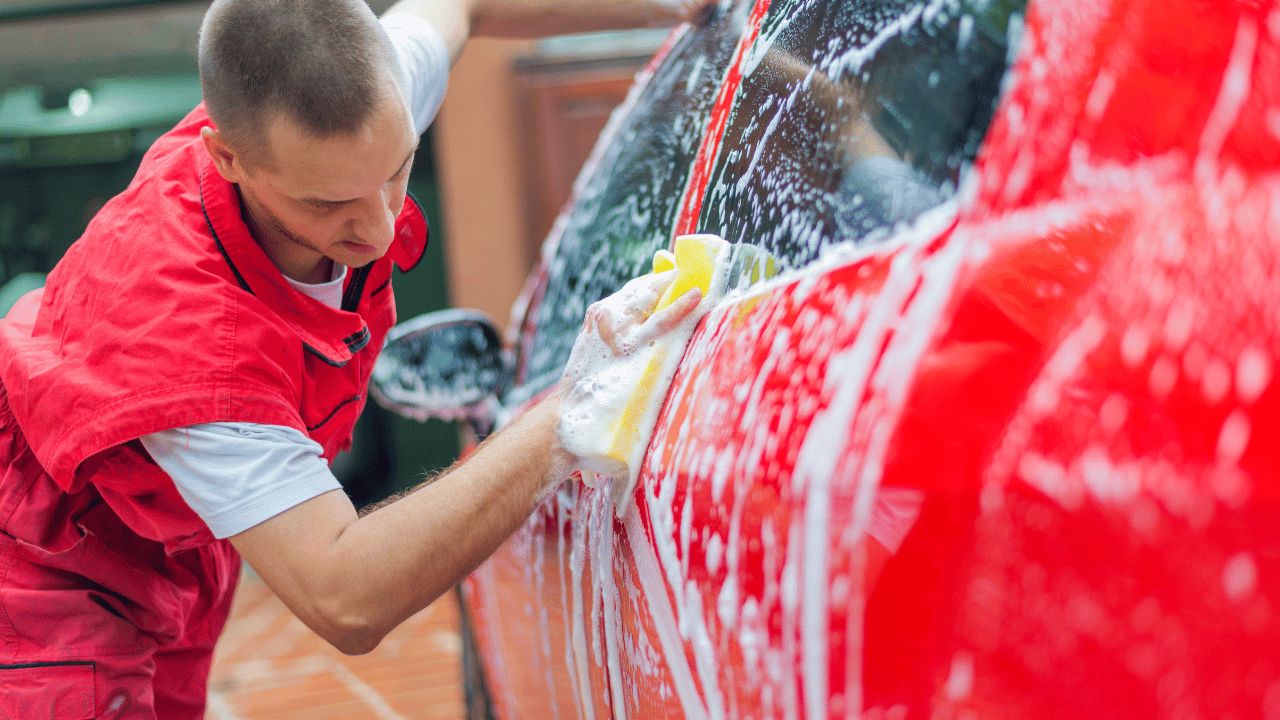
Protecting Your Vehicle’s Paint and Finish
Protecting your car’s paint and polish requires regular cleaning. The surface collects dirt, filth, bird droppings, and other impurities. Untreated, they may devour paint, fading, chipping, or peeling it.
Acidic bird droppings may cause serious harm if not removed immediately. By washing your automobile frequently, you eliminate these dangerous elements before they damage your paint, keeping it fresh and brilliant.
Maintaining Resale Value
Well-maintained cars look attractive and hold value. Regular vehicle cleaning maintains its appearance, which is important for resale. A clean, gleaming exterior provides purchasers confidence that the automobile has been carefully maintained, helping to sell it for more.
However, a filthy or neglected automobile signals inadequate upkeep and lowers its worth.
Preventing Rust and Corrosion
In road salt-heavy places, washing your automobile prevents rust and corrosion. If not removed, salt and other corrosives may damage your vehicle’s undercarriage.
Corrosive elements are wiped away by regular washing, particularly in winter, maintaining your car’s structural integrity and longevity.
How Often to Wash a Car?
- Climate, driving conditions, and location affect automobile washing frequency.
- Adverse weather conditions like snow, heavy rain, or high humidity require more frequent washing to remove salt and muck.
- If you travel on dirt roads or in polluted cities, your automobile needs more frequent cleaning.
General Guidelines
- Washing most cars every two weeks is recommended.
- Weekly washing may be better if you live in a tough environment or travel in rough circumstances.
- A monthly wash may be plenty for garaged and infrequent drivers.
Step-by-Step Guide for a Perfect Car Wash
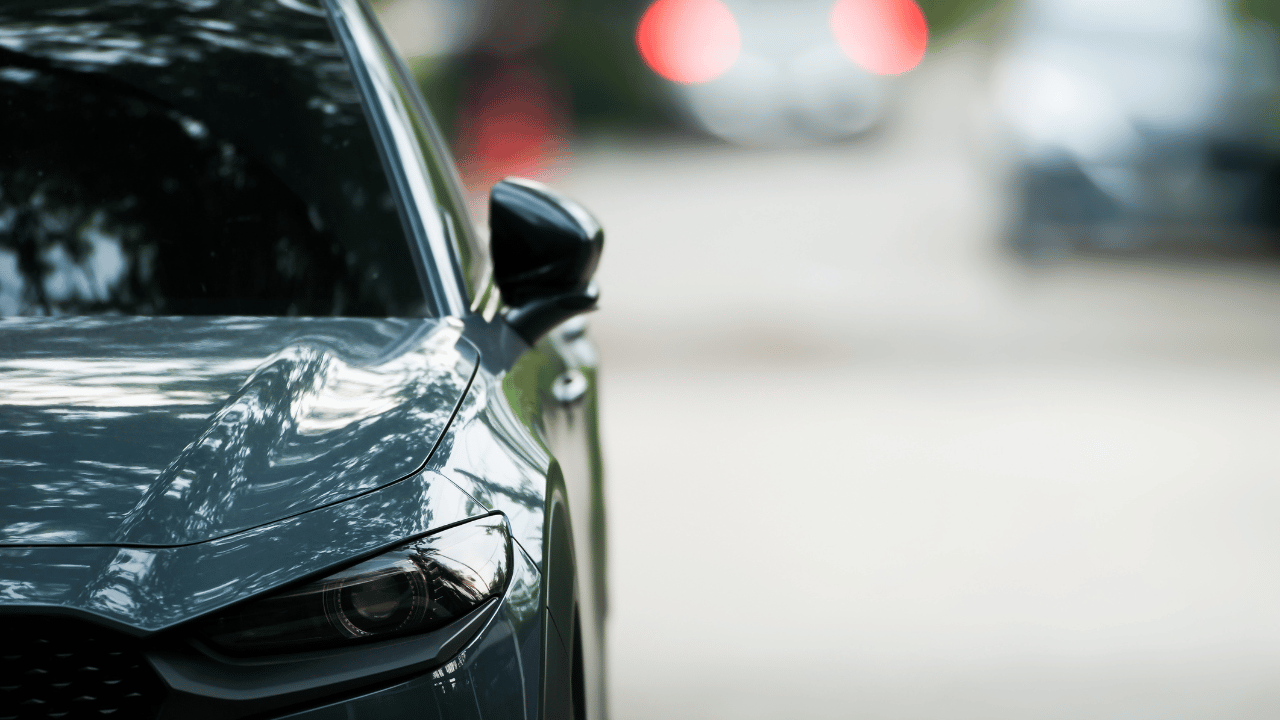
Step 1: Gather Your Materials
Make sure you have all the car wash supplies before beginning. You need two buckets (one for soapy water, one for rinsing), microfiber towels, a vehicle wash mitt, soap, a wheel cleaner, and a drying cloth or chamois. Having everything ready beforehand streamlines the process.
Step 2: Rinse the Car
First, spray out your automobile to eliminate loose dirt and debris. This procedure avoids washing scratches and is essential. Work from the top down, wetting everything.
Step 3: Wash the Car
Use two buckets to rinse your mitt: one with soapy water and one with clean water. This method reduces paint swirling and scratching. Wash the automobile in parts from top to bottom. Try straight movements instead of circles.
Step 4: Rinse and Dry the Car
Rinse the automobile well after washing. Dry it promptly with a microfiber towel or chamois to avoid wet marks. Pat dry instead of rubbing to prevent stains.
Step 5: Cleaning the Wheels
Wheels collect brake dust and filth, so they require particular care. Thoroughly clean each wheel with a wheel cleaner and brush or mitt.
Step 6: Waxing and Polishing
Wax the automobile after cleaning and drying to preserve and shine the paint. Use a delicate applicator to apply wax thinly and evenly.
Once the wax dries to a haze, buff it with a clean microfiber towel for a dazzling gloss. Polishing afterwards improves shine and smooths small defects.
Washing a Ceramic Coated Car
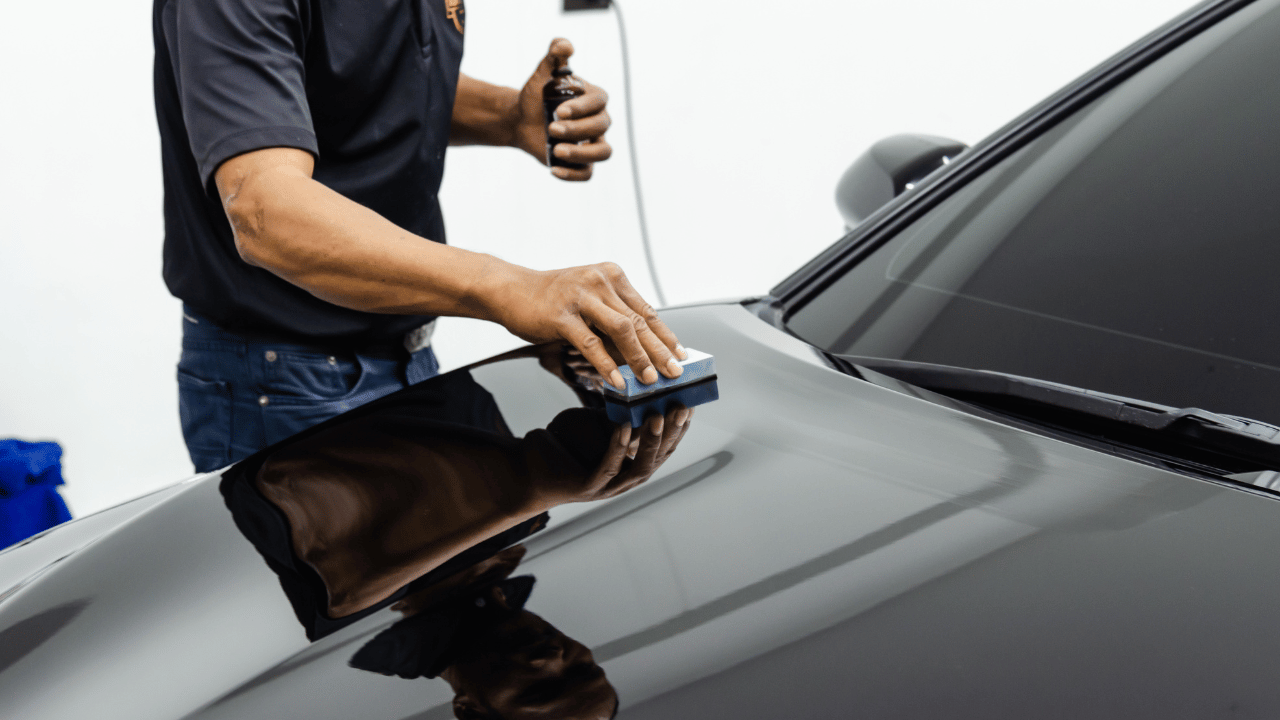
How to Wash a Ceramic Coated Car
To protect a ceramic-coated automobile, use pH-neutral car wash soap. Avoid scratches with a soft microfiber wash mitt and two buckets. Rinse before and after washing to remove soap and loose debris.
Avoid automated vehicle washes since the brushes might damage the covering. To avoid water marks, use a microfiber towel to dry the vehicle after washing.
Regular maintenance washes keep your automobile looking great and retain the coating’s hydrophobic qualities.
Touchless Car Washes: Pros and Cons
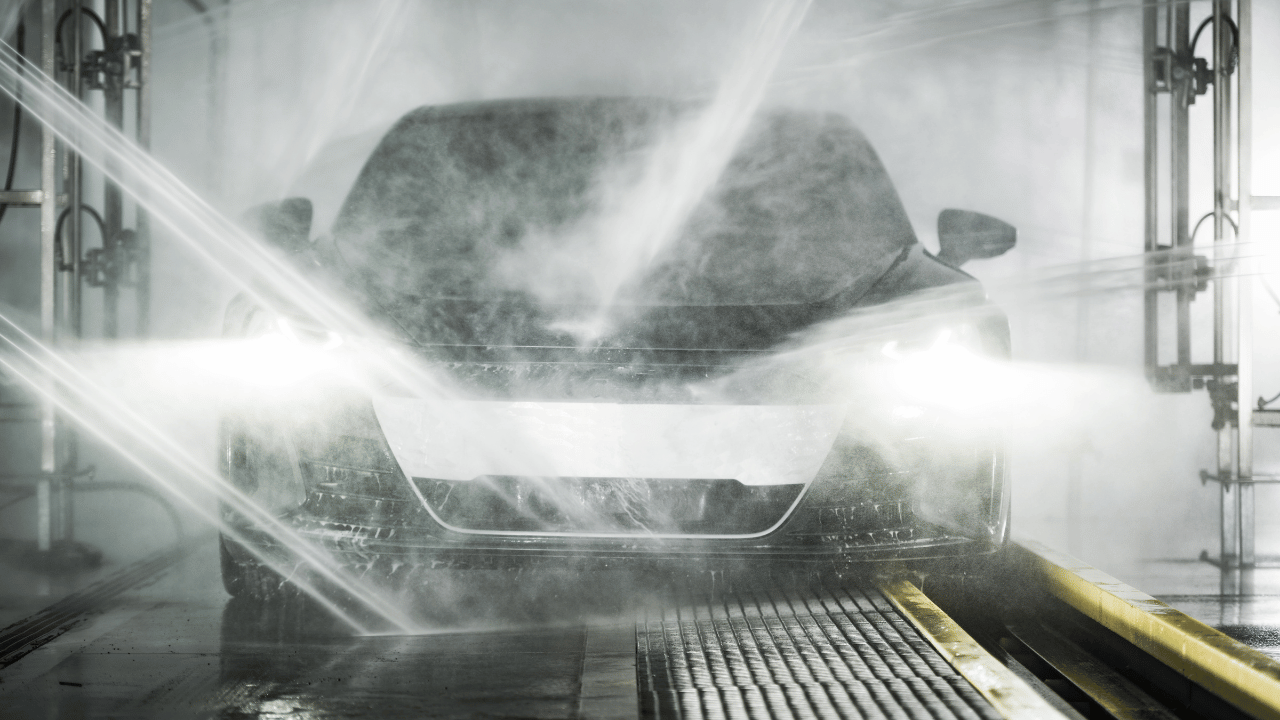
Are Touchless Car Washes Bad?
Touchless vehicle washes reduce scratches since no brushes or clothes contact the car. However, they may not remove tenacious dirt or grime as well as conventional procedures. While handy for fast cleaning, hand washing is best for automobile finishes.
DIY Car Wash Solutions
How to Make Car Washer Fluid
Touchless vehicle washes reduce scratches since no brushes or clothes contact the car. However, they may not remove tenacious dirt or grime as well as conventional procedures. While handy for fast cleaning, hand washing is best for automobile finishes.
Water Usage and Restrictions
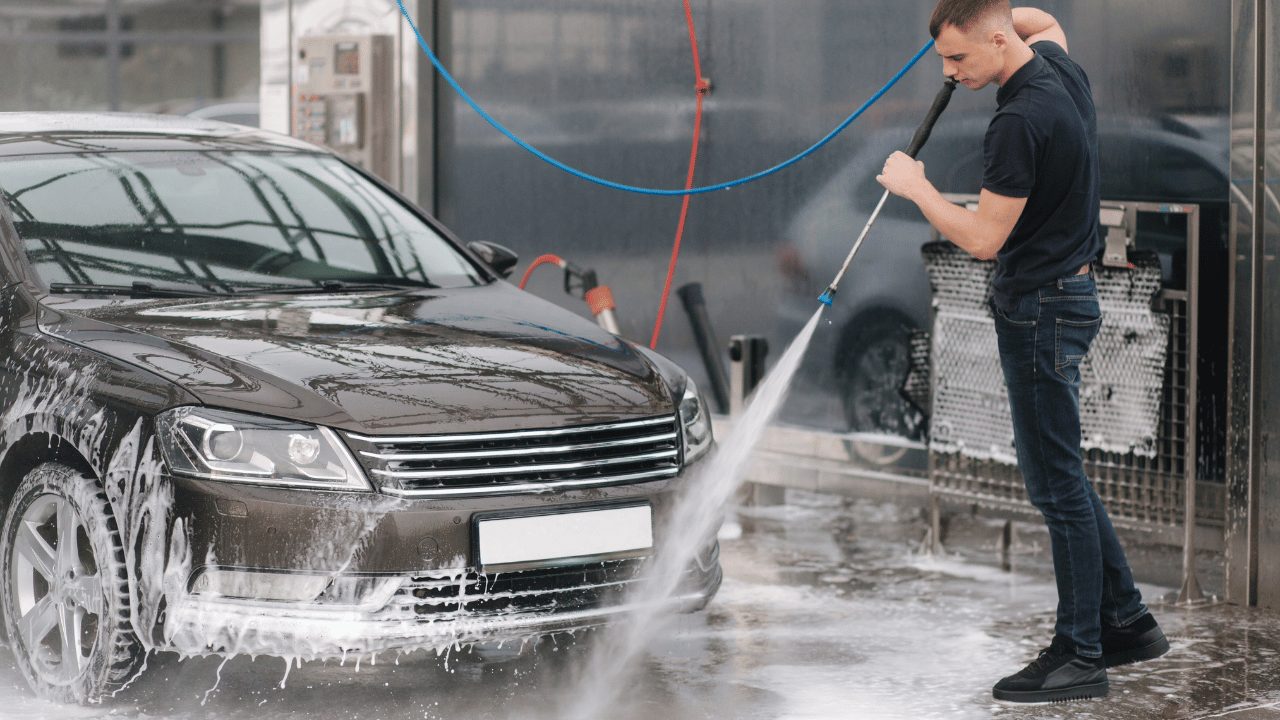
Can I Wash My Car During Water Restrictions?
When water is scarce, check local requirements before washing your automobile. Water conservation restricts at-home vehicle washing in many regions. Use waterless vehicle wash products or contact a local professional car wash to comply.
Some places allow vehicle washing on certain days or require a shutdown nozzle to reduce waste.
Do Car Washes Recycle Water?
Many professional vehicle washes recycle water, making them eco-friendly. Specialized water filtering and reuse technologies reduce water use at these establishments.
You may clean your automobile and preserve water using a car wash that recycles water.
Local Car Wash Regulations
Are Car Washes Closed in Edmonton?
Edmonton car washes may shut down in adverse weather, such as heavy snow or cold, to protect cars and equipment. Some vehicle washes may have limited hours or safety practices during COVID-19. Always check local rules or contact the car wash for changes.
Common Car Washing Mistakes
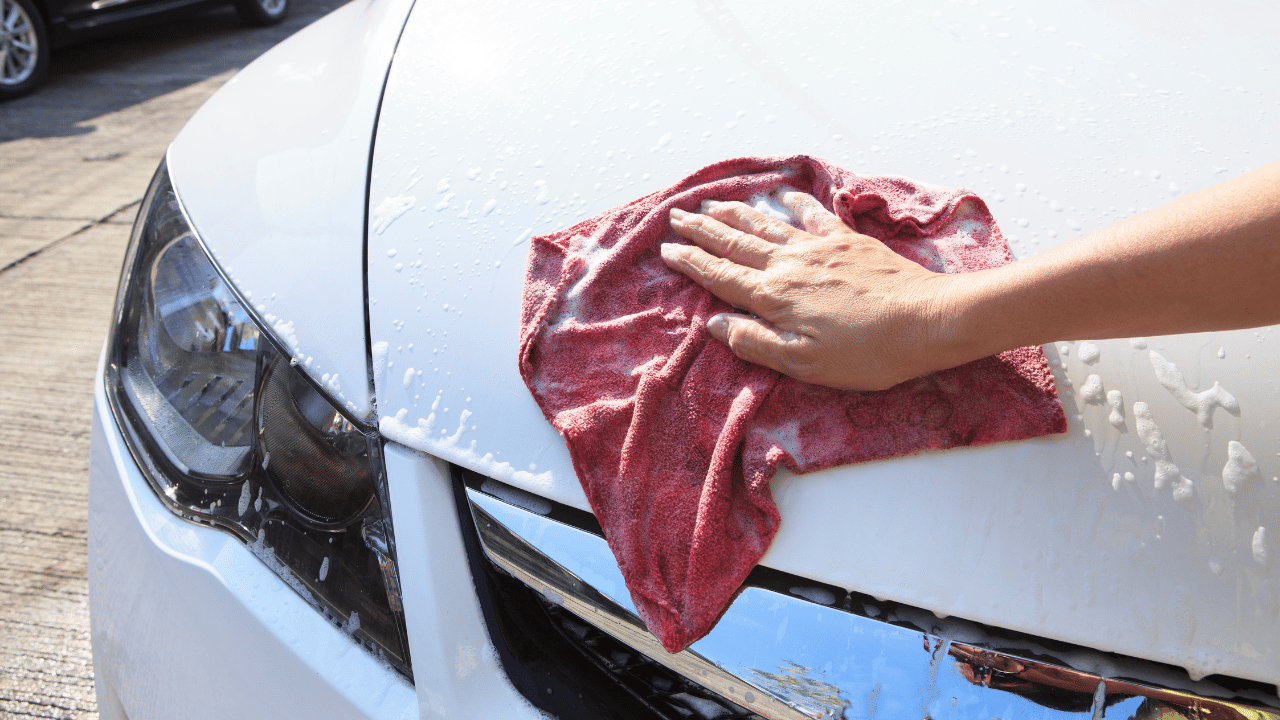
Using the Wrong Products
A typical error is not utilizing car-specific products. Dishwashing liquid is tough on grease, but it’s too harsh for automobile paint. It removes wax, leaving your automobile exposed. Always wash your automobile with a pH-balanced soap that won’t damage the finish.
Washing in Direct Sunlight
Washing your automobile in bright sunshine may dry water too rapidly, leaving hard-to-remove stains and streaks. The heat may also dry soap on the surface before you can rinse it off, making cleaning less efficient. Wash your automobile in the shade, early in the morning, or late in the afternoon when the sun is less intense.
Skipping the Interior
Take care of your car’s interior! The façade is crucial, but a tidy interior improves driving. Regularly vacuum carpets and seats, wash surfaces with a microfiber cloth, and use material-specific cleansers. Cleaning the inside improves appearance and automobile value.
Use of Dishwashing Liquid to Wash Car
Dishwasher liquid cleans well, but not cars. It cuts through dish grease so that it may remove automobile paint, wax and oils. Your car’s surface is vulnerable to environmental harm.
Instead, use a mild, effective vehicle wash soap. These solutions are meant to clean cars without removing wax or damaged paint.
Conclusion
Cars need regular cleaning to preserve their look, paint, and value. Avoiding common errors and using the right procedures will keep your automobile looking and performing well for years. Wash your automobile often to keep it in good shape.
Frequently Asked Questions
Do car washes recycle water? [+]
Professional vehicle washes recycle water using filtering devices, making them eco-friendly.
Can I wash my car during water restrictions? [+]
Regulations vary locally. During water limitations, you may require waterless car wash products or a professional vehicle wash that follows standards.
How to make car washer fluid? [+]
For an excellent DIY washer fluid, mix 1 gallon of distilled water, 1 cup of white vinegar or rubbing alcohol, and a few drops of liquid dish soap.
Are touchless car washes bad? [+]
Touchless vehicle washes are gentler on paint but may not clean as well as standard techniques, particularly with thick filth.
Can I use dishwashing liquid to wash my car? [+]
Dishwasher liquid may harm automobile paint by removing protective coats. Instead, use pH-balanced vehicle wash soap.
Are car washes closed in Edmonton? [+]
Extreme weather or COVID-19 limitations may shut Edmonton car washes. Ask the vehicle wash about hours and conditions.
How do you make homemade washer fluid for cars? [+]
Instead of store-bought washer fluid, combine distilled water, white vinegar, or rubbing alcohol with a little dish soap.
Is it illegal to wash your car in your driveway in Alberta? [+]
In Alberta, you may wash your automobile in your driveway, although water and environmental laws may apply.
What kind of soap do you use on a ceramic coated car? [+]
Ceramic-coated automobiles need a pH-neutral car wash soap to maintain the coating and clean well.