

- Introduction
- How Does Ceramic Coating Protect Your Vehicle?
- Step-by-Step Guide to Applying Ceramic Coating
- Benefits of Ceramic Coating
- Ceramic Coating vs. Paint Protection Film (PPF)
- Is Ceramic Coating Worth It?
- How Long Does Ceramic Coating Last?
- Disadvantages of Ceramic Coating
- How Much Does Ceramic Coating Cost?
- How to Wash a Ceramic Coated Car
- Ceramic Coating for the Windshield
- How to Remove Ceramic Coating
- Detailed Comparison: Ceramic Coating vs. Paint Protection Film
- Do Ceramic Coatings Prevent Rock Chips?
- Conclusion
- FAQ’s
Table Of Content
Introduction
A ceramic coating polymer binds with paint to preserve a vehicle’s exterior. This coating maintains its shine by protecting your car from UV radiation, acid rain, and road filth. It establishes a sturdy barrier that makes the automobile shine brighter and last longer.
This tutorial will discuss ceramic coatings and why they’re important for car protection. We’ll also discuss their advantages, compare them to other protection choices, and answer frequent questions to help you choose one for your car.
Note: If you’re a resident of Edmonton and looking for the best auto detailing services check out Drive In Barbershop and Auto Detailing
How Does Ceramic Coating Protect Your Vehicle?
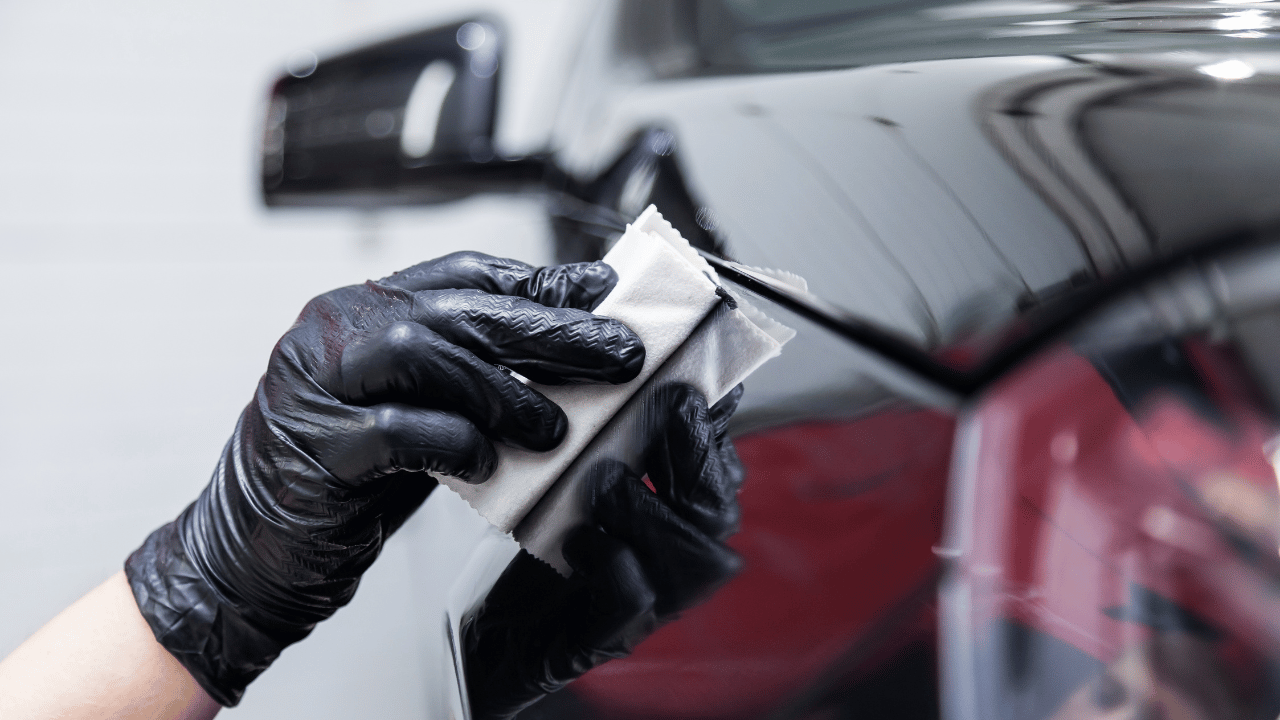
Ceramic coating forms a durable layer on your car’s surface to preserve its paint. This barrier protects the paint from UV radiation, dirt, filth, and tiny scratches, keeping it looking fresh.
Its hydrophobicity is notable. The coating repels water, making it bead up and roll off, making vehicle cleaning simpler and cleaner.
Ceramic coating is a reliable shield against environmental harm. It protects your car from bird droppings, tree sap, and acid rain, which can cause significant damage to the paint over time. This protection ensures your car’s paint stays in top condition, maintaining the overall appearance and value of your vehicle.
Step-by-Step Guide to Applying Ceramic Coating
Step 1: Vehicle Surface Preparation
Clean your automobile thoroughly to eliminate dirt and grime. It’s important to remove flaws and smooth the foundation with polish. Remember, tar and tree sap must be removed to enable ceramic coating adhesion. This diligence in preparation will ensure a successful application.
Step 2: Coating
Use a clean applicator pad to apply the ceramic coating in tiny portions. This will avoid streaks and uneven coverage. Use the quantity recommended by the manufacturer.
Step 3: Coating Curing
Allow the coating to cure as instructed. This step is crucial as it bonds the coating to the paint, enhancing its endurance and protection. Patience during this process will be rewarded with a superior finish.
Step 4: Final Check
Inspect the car after drying to verify consistent coating and no missing places. This final inspection is your last chance to ensure a faultless finish and total protection, providing you with the reassurance of a job well done.
Benefits of Ceramic Coating
- Protective longevity
Ceramic coating lasts longer than wax and sealants. The strong coating protects your car’s paint for years.
- Enhanced Look
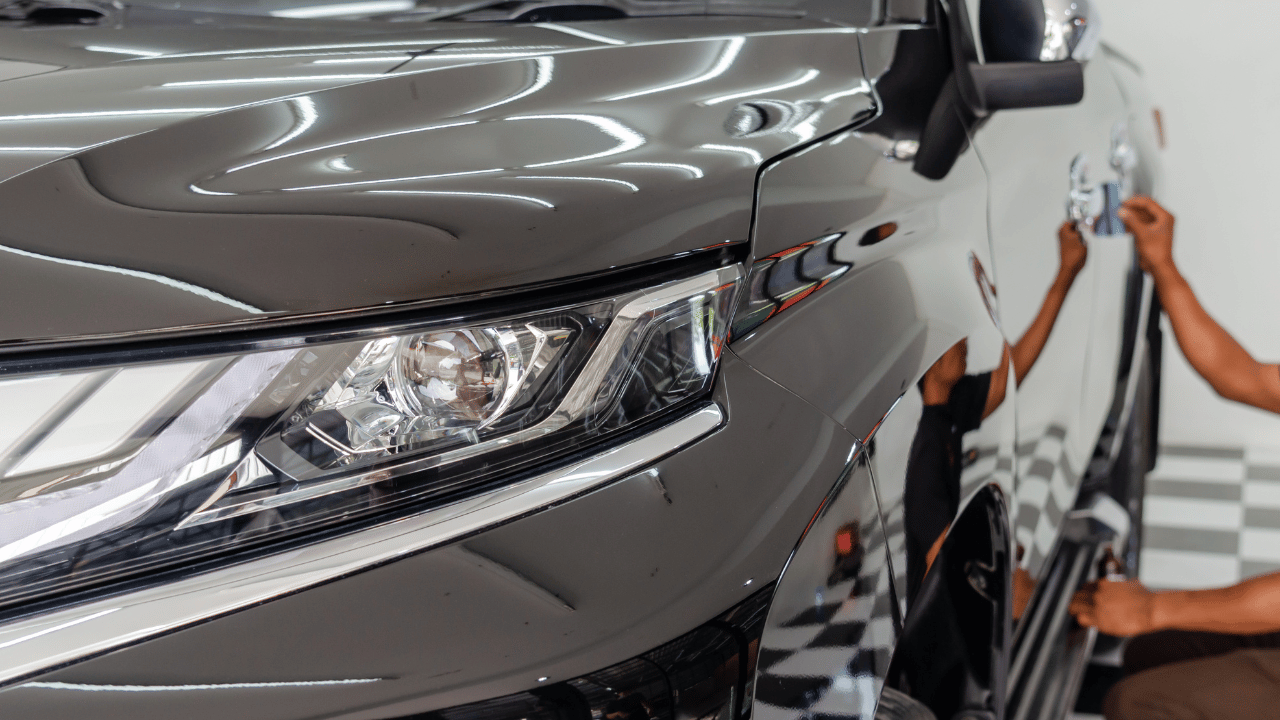
It gives your automobile a glossy, high-shine surface. This coating prolongs the color and gloss of your car.
- Easy Maintenance
With ceramic coating, dirt, and grime cling less. Since the coating makes washing simpler and less frequent, you’ll spend less time cleaning and maintaining your car.
Ceramic Coating vs. Paint Protection Film (PPF)
Protection and Durability
Ceramic coating resists UV rays and small scratches but does not impact like PPF. PPF better protects against rock chips and deeper scratches.
Cost Comparison
Ceramic coating is cheaper than PPF. PPF offers better physical protection, hence its increased cost.
When to Use PPF or Ceramic Coating
Try ceramic coating for aesthetics and ease of upkeep. PPF provides maximal physical protection, particularly in hostile settings.
Is Ceramic Coating Worth It?
Value for Money
Ceramic coating prolongs your car’s shine and reduces detailing expenditures. Long-lasting protection makes it a good investment.
Things to Think About
Age, frequency of usage, and surroundings should be considered. Ceramic coating is a good option for a low-maintenance, like-new look.
How Long Does Ceramic Coating Last?

Impacts on Durability
How thoroughly ceramic coating is applied, weather circumstances and vehicle maintenance affect its longevity. Product and application quality matter.
Ceramic Coating Life
Ceramic coating typically lasts 2–5 years. This range depends on coating quality and vehicle upkeep.
Disadvantages of Ceramic Coating
Not Bulletproof
Ceramic coating protects well but won’t prevent significant scratches or rock chips. It doesn’t prevent all harm.
Maintenance
Though it minimizes upkeep, you must still wash and maintain your automobile. Maintenance is required despite the coating.
How Much Does Ceramic Coating Cost?
Cost-affecting factors
The cost depends on the coating manufacturer, vehicle size, and professional or DIY application. Professional application requires planning and experience, increasing expense.
Cost breakdown
Depending on vehicle and quality, professional ceramic coating costs $500–$2,000. DIY possibilities are $50–$150, although paint correction may cost more.
How to Wash a Ceramic Coated Car
Best Coating Maintenance Practices
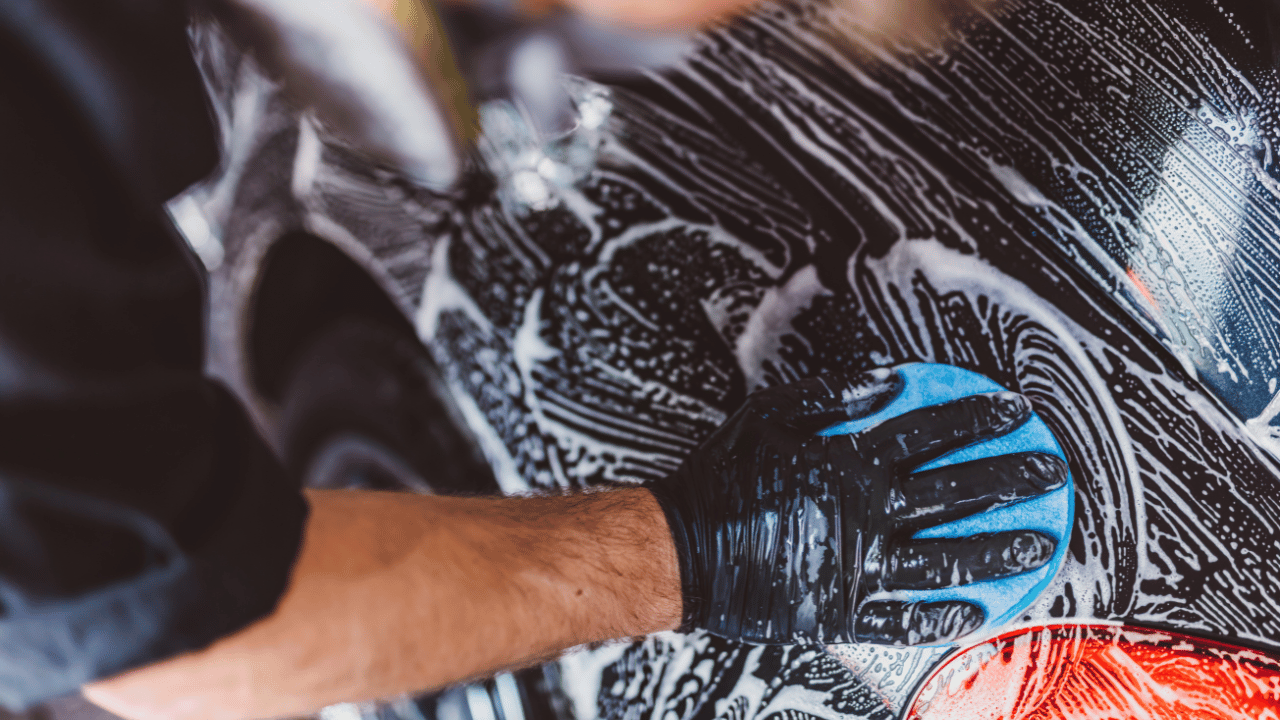
Empower yourself with the knowledge of how to clean your ceramic-coated automobile effectively. Use pH-balanced soap and a microfiber cloth, and steer clear of strong chemicals and abrasives that could potentially harm the coating.
Frequency of Washing
Take responsibility for your automobile’s appearance and the protection of its coating. Regularly wash it every 2-4 weeks to keep it looking its best.
Common Mistakes to Avoid
Be cautious and attentive when it comes to maintaining your ceramic coating. Avoid harsh cleansers and scrub brushes that could potentially cause damage.
Ceramic Coating for the Windshield
This Works on Glass
Ceramic windshield coating repels water and grime, improving vision and safety. The coating forms a hydrophobic layer that beads and rolls off rain, improving visibility. This layer also prevents dirt and debris from clinging to the glass, decreasing cleaning. It also lowers road filth and glare, making driving safer, particularly in bad weather.
Application Method
Ceramic coating your windshield requires many procedures. First, scrub the glass to remove debris, oil, and outdated treatments. Keep surfaces clean using a glass cleaner and microfiber cloth. Given its vertical position and visibility, windshield ceramic coating demands more precision than automobile body coating. Spread the coating evenly using a gentle applicator pad in tiny portions. After applying, let it cure for the manufacturer’s stated period. Finally, use a clean microfiber cloth to remove excess coating to eliminate streaks.
How to Remove Ceramic Coating
Step-by-Step Removal Process
- Wash the vehicle to remove surface dirt.
- Use a clay bar to lift embedded impurities.
- Apply a dual-action polisher with mild to medium pressure and a polishing compound.
- Work in small sections and wipe off residue to track progress.
- Clean the area thoroughly after removing the coating.
- Apply a fresh coat of ceramic coating if needed.
- Finish by applying a good wax or sealer to protect the paint.
Why Removal May Be Needed
Ceramic coating removal may be important for numerous reasons. Removal is necessary if the coating has deteriorated or if you want to apply a new layer for improved protection.
Careful removal and reapplication ensure maximum performance if the coating is damaged or applied incorrectly. Maintenance and timely removal keep the vehicle looking good and extend the life of fresh coatings.
Detailed Comparison: Ceramic Coating vs. Paint Protection Film
Scratch and Impact Resistance
Remember that ceramic coating and paint protection film (PPF) have differing strengths. Because it’s thicker and self-healing, PPF resists scratches and rock chips. It absorbs impacts and protects the paint.
However, the ceramic coating protects the automobile against UV radiation, acid rain, and bird droppings, preserving its gloss and preventing oxidation.
Which Option Offers Better Value?
Ceramic coating is cheaper and simpler to install than PPF, making it a budget-friendly choice. It shines and takes little care. PPF is more costly but provides better physical protection against road dangers.
Your budget, vehicle usage, and maintenance preferences determine your options.
Do Ceramic Coatings Prevent Rock Chips?
Limitations of Ceramic Coating
Ceramic coating protects surfaces but does not prevent rock chips or serious scratches. While it protects against mild pollutants, it cannot stop stones or debris from hitting. Due to its direct impact protection, PPF is excellent for rock chip prevention.
Alternative Solutions
Consider PPF in addition to ceramic coating to avoid rock chips. This combination gives PPF protection and ceramic coating gloss and simplicity of maintenance, fully protecting your car’s paint.
Conclusion
Ceramic coating will preserve your car’s beauty and save upkeep. Its benefits include durable protection, automobile gloss, and easy washing. Combine ceramic coating with PPF for complete protection. Consult a professional or browse high-quality DIY kits for customized assistance.
Frequently Asked Questions
1. Are ceramic coatings helpful for cars? [+]
This protects the paint from environmental degradation and simplifies cleaning.
2. How frequently should I recoat ceramic? [+]
Every 2–5 years, depending on product and use.
3. How long do ceramic coatings last? [+]
2–5 years, depending on product quality and upkeep.
4. Do I apply ceramic coating myself? [+]
DIY kits are available; however, the professional application usually yields superior results.
5. Ceramic coating scratches easily? [+]
Although it resists small scratches, it cannot avoid significant impacts.
6. What happens if I neglect ceramic coating? [+]
Coating efficacy may decrease, causing harm.
7. Does ceramic coating void my warranty? [+]
Not usually, but check with your car maker.